
Few steaks inspire such loyalty as the ribeye, and Texas Roadhouse knows it. The casual steakhouse built its business on generous portions of hand‑cut steak served with homestyle sides and warm rolls. By early 2026 the chain operated more than 800 locations and continued expanding despite rising beef costs.
This guide focuses on one of its signature cuts the ribeye and explains current prices, portion sizes, nutrition data, flavor and value. Whether you’re a steak aficionado trying to decide between the Ft. Worth ribeye and the bone‑in version, or a first‑time guest comparing combos, you’ll find everything you need to know here.
Ribeye Cuts & Sizes
Texas Roadhouse Menu offers two main ribeye cuts. The Ft. Worth Ribeye is boneless and available in multiple weights, typically 10 oz, 12 oz or 16 oz. The Bone‑In Ribeye keeps the rib bone attached for extra flavor and heft; the chain lists it as a 20 oz cut on its official menu. Both steaks are marbled for a buttery texture and come with two made‑from‑scratch sides and unlimited fresh‑baked rolls. The portion sizes and marbling mean these steaks are filling; many diners report having leftovers to take home.
A separate slow‑roasted prime rib (available in 12 oz, 14 oz or 16 oz) is served when supplies last and differs in cooking method but not in cut. For context, a 12‑oz Ft. Worth ribeye clocks in at about 910–960 calories, while the 20‑oz bone‑in version contains roughly 1,480 calories. The boneless steak is seared quickly over high heat, whereas the bone‑in cut cooks more slowly to let the marrow‑rich bone baste the meat.
Texas Roadhouse Ribeye Price for 2026
Since prices vary by location, we looked at multiple menu guides and media reviews to establish national averages. Texas Roadhouse’s own website doesn’t publish prices, but fan‑sites and food reporters track them. The table below summarizes 2026 pricing for the chain’s ribeyes and related combos, along with calories and typical serving size.
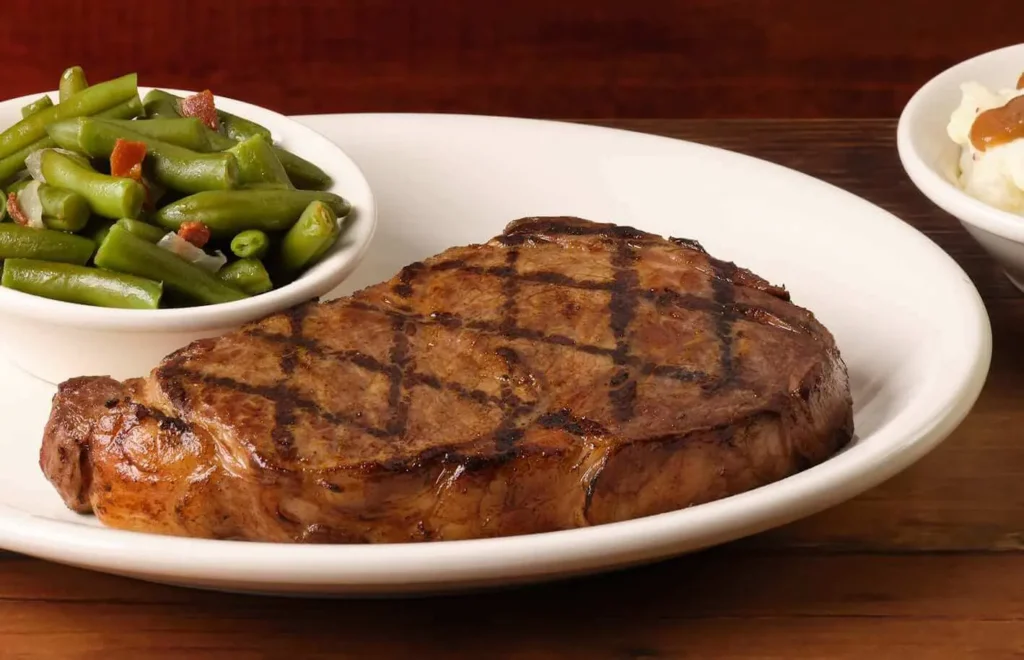
FT Worth Ribeye
- 12oz – $22.99 | 960 Cal
- 14oz – $25.49 | 1120 Cal
- 16oz – $27.99 | 1280 Cal
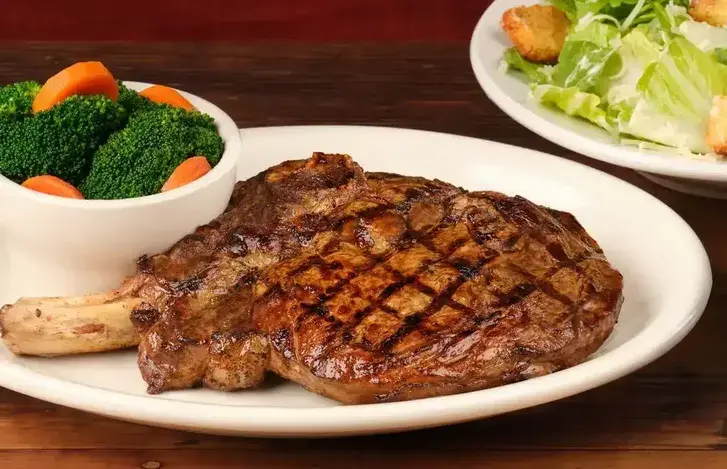
Bone-in Ribeye
- $29.99 | 1480 Cal
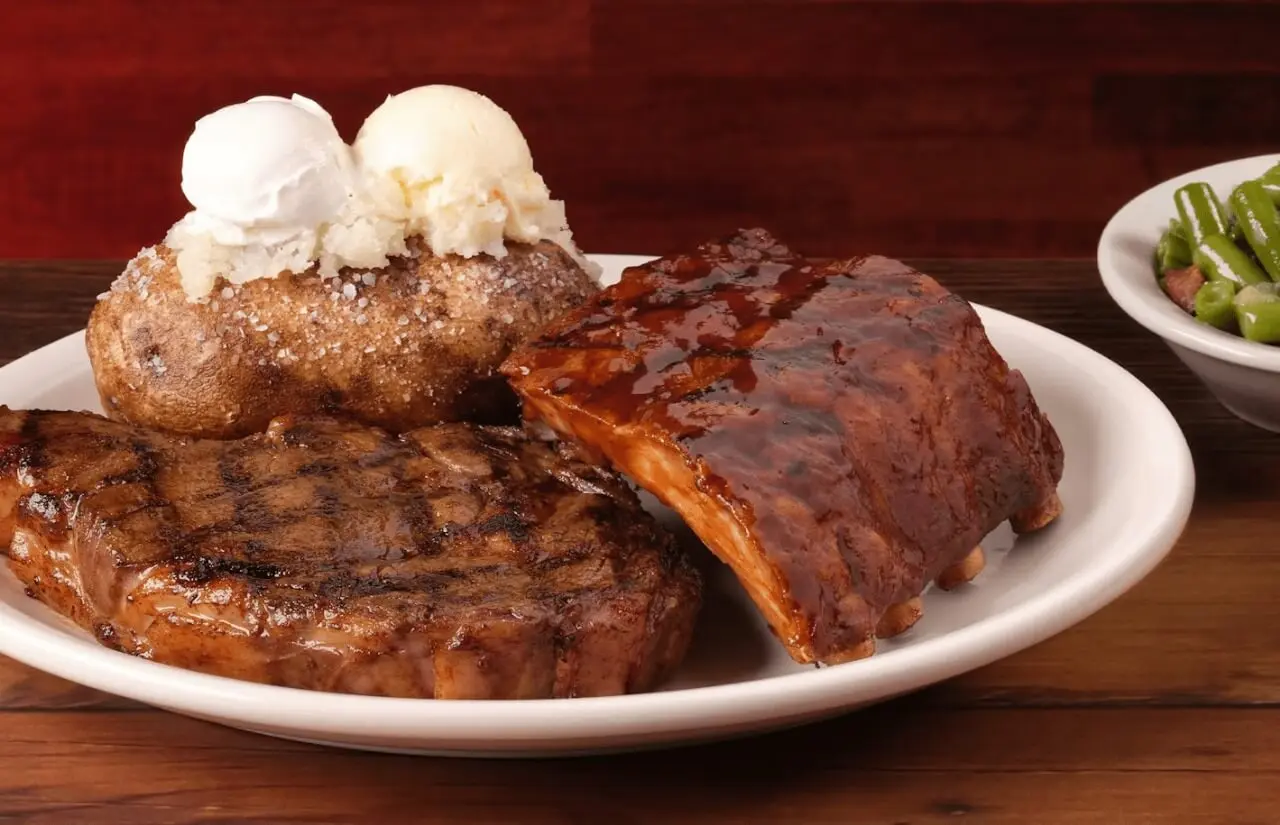
Ribeye 12oz Ribs
- $29.99 – 1510 cal
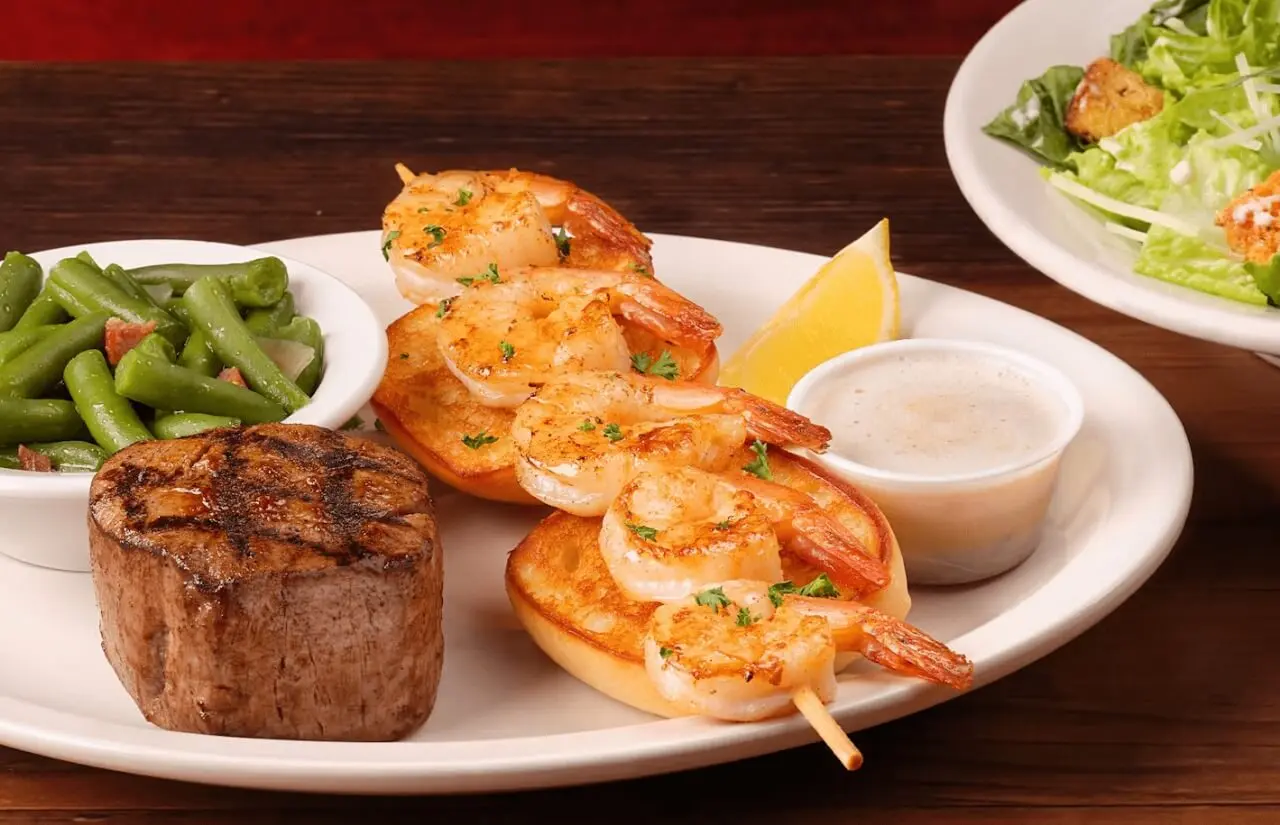
Filet 6oz Grilled Shrimp
- $26.99 – 630 cal
| Steak or Combo | Serving Size | Price Range (USD) | Calories (approx.) | Notes |
|---|---|---|---|---|
| Ft. Worth Ribeye | 10 oz, 12 oz, 16 oz | $23.99–$26.99 | ~910–960 cal | Boneless; grilled quickly; includes two sides and rolls. |
| Bone‑In Ribeye | 20 oz | $29.99–$34.99 | ~1,480 cal | 20‑oz bone‑in steak served with two sides and unlimited rolls. |
| Ribeye & Ribs Combo | 12 oz steak + half rack | $28.99 | ~1,510 cal | Pair of ribeye with fall‑off‑the‑bone ribs. |
| Ribeye & Grilled Shrimp Combo | 12 oz steak + shrimp skewer | $29.99 | ~1,360 cal | Steak served with grilled shrimp and sides. |
For example, the Ft. Worth ribeye costs $24.99 for a 12‑oz cut according to one menu guide, while the Eat This, Not That reviewer paid $26.99 for a 12‑oz steak at their location. The bone‑in ribeye is priced around $29.99 on some menus but may reach $34.99 at restaurants in urban areas or as noted in the Eat This review. Price differences reflect regional costs and portion sizes; urban restaurants often charge up to 10 % more.
Flavor & Value Review
Texas Roadhouse ribeyes earn high marks for taste and value. A review by The Takeout notes that each steak is hand‑cut in‑house, resulting in consistently tender meat. Diners praised both ribeyes for their buttery texture and remarked that the bone‑in version offered a moist red center and deep beefy flavor. Food writer Jess Kelly described the Ft. Worth ribeye as a generous 12‑oz steak with a crisp sear and rich marbling; she called it “an incredible value for under $30”.
Her tasting ranked the 20‑oz bone‑in ribeye even higher, praising its crust, grill marks and pockets of juice while noting that it costs about $34.99. Both reports emphasised that Texas Roadhouse doesn’t offer dry‑aged steaks or fancy garnishes, but the straightforward seasoning, hearty sides and unlimited rolls make the ribeyes a standout deal, often priced between $27 and $36 with two sides.
Ft. Worth vs Bone‑In: Which Should You Choose?
Choosing between the boneless Ft. Worth ribeye and the bone‑in version comes down to flavor, size and cooking style:
- Flavor: Keeping the bone in adds richness as marrow and collagen baste the meat; the boneless Ft. Worth offers classic ribeye taste without the bone.
- Size & Price: The bone‑in cut weighs 20 oz and runs about $30–$35, while the Ft. Worth comes in 10‑oz to 16‑oz portions for roughly $24–$27.
- Cooking: Bone‑in steaks cook more slowly and retain heat longer; the Ft. Worth is grilled hot and fast. Order bone‑in one shade below your target doneness because it continues cooking after leaving the grill.
How to Order & Customize
You can order your ribeye cooked anywhere from rare to well‑done and choose any two sides, such as baked potato, mashed potatoes, rice, green beans or a house/Caesar salad. Every plate comes with bottomless rolls and cinnamon butter. Upgrades like sautéed mushrooms, loaded baked potatoes or shrimp “sidekicks” cost a small extra fee.
Online ordering lets you select sides and pickup time, though some family‑style bundles default steaks to medium. In‑restaurant, let your server know your preferred doneness and ask to sample the house steak sauce before drenching your steak. Combo meals pairing ribeye with ribs or shrimp offer variety without much higher cost.
Money‑Saving Tips
Even though ribeyes are the priciest steaks on the menu, there are ways to maximize value:
- Early dine alternatives. The Early Dine promotion (Monday–Thursday around 3–5 p.m.) offers smaller steaks with two sides for about $10.99. If a ribeye feels too pricey, a sirloin or Road Kill during Early Dine can satisfy your steak craving for half the cost.
- Share or pair. Split the 20‑oz bone‑in ribeye between two light eaters or order a combo that pairs a ribeye with ribs or shrimp for roughly $29–$30. You’ll get variety and more total food without spending much more.
- Join the VIP club. Texas Roadhouse’s email club sends occasional coupons and birthday offers. Even if steaks are excluded from discounts, free appetizers or drinks can stretch your budget, and local pricing can vary by about 10 %—so check your restaurant’s menu before you visit.
2026 News & Trends at Texas Roadhouse
Texas Roadhouse is also expanding and modernizing. Industry reports indicate the chain plans to open around 20 new restaurants in 2026 and is testing region‑specific cocktails and mocktails. New Roadhouse Pay tablets and a digital kitchen system (installed in about two‑thirds of restaurants) aim to speed up service and keep steaks consistent. Management says keeping prices reasonable remains a priority despite rising beef costs.
Frequently Asked Questions
Yes. You can order any steak, including ribeyes, for pickup through the website or app, although to‑go steaks may be cooked slightly more to retain heat.
No. Prime rib is a slow‑roasted ribeye offered only on certain evenings and weekends. Call ahead if you’re craving it.
Ribeye steaks come from the rib section and have more marbling, making them juicier and more tender. Sirloins are leaner and cheaper, and New York strips strike a balance between tenderness and fat.
Conclusion
Texas Roadhouse ribeyes in 2026 offer impressive value for steak lovers. The Ft. Worth ribeye provides boneless convenience and multiple size options, with 12‑oz steaks priced around $24–$27 and cooked to your preference. The 20‑oz bone‑in ribeye is a crowd‑pleaser, delivering rich flavor and visual appeal for around $30–$35, a price well below comparable steaks at upscale steakhouses. Paired with homemade sides, warm rolls and a lively roadhouse atmosphere, these steaks show why Texas Roadhouse continues to thrive even as beef prices rise. Whether you’re splitting a giant bone‑in with a friend or savoring a boneless Ft. Worth ribeye solo, you’ll enjoy generous portions, consistent quality and a taste of Texas hospitality. Happy eating! Check Also: Texas Roadhouse Family Meals Prices